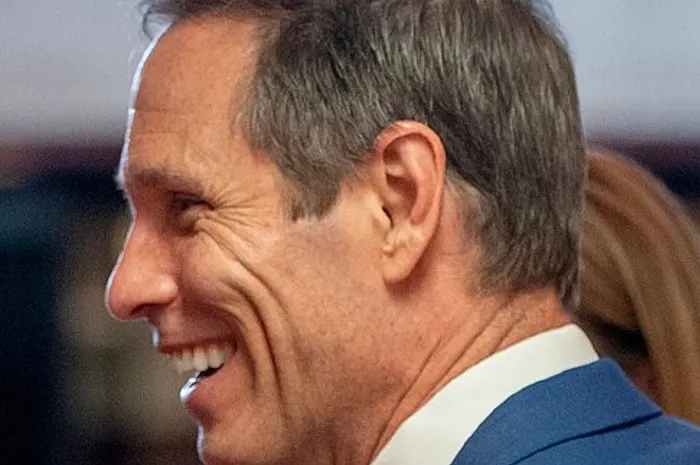
Democrat Nathan Johnson’s victory in the Texas attorney general election could change the future of the state’s poker rooms. Johnson beat Republican Mayes Middleton by 6.5 percentage points, while Vicki Goodwin, also a Democrat, became the new lieutenant governor. Both politicians have already spoken in favor of clearer rules for poker and gambling, giving local clubs a chance to emerge from a gray area they have occupied for years.
Details
Texas has long been considered one of the toughest states in the US for gambling businesses. At the same time, poker is enormously popular there, and legal clubs operate in many cities. Their existence rests on a particular interpretation of the law: venues can host players as long as they do not take rake from pots or hands. Instead of a conventional commission, poker rooms charge membership fees and table-seat fees.
This model is used by social clubs that try to comply with the law and operate openly. Some of the best-known venues include The Lodge Card Club near Austin, Texas Card House, and Champions Club. These rooms attract top players, host major series, and have become a prominent part of the state’s poker scene. However, even the best-known clubs periodically face scrutiny from authorities and the risk of legal proceedings.
The main problem for owners and players is the lack of a clear line between the permitted operation of a social club and an illegal gambling business. Critics of the poker industry argue that playing for money may itself violate the law, regardless of whether a club takes rake. The poker community, by contrast, believes that transparent rules would put an end to disputes and give legal venues a stable future.
Nathan Johnson showed before the election that he was willing to discuss such a reform. In March 2025, while serving as a state senator, he introduced Senate Joint Resolution 82 — Texas Senate Joint Resolution 82, or SJR 82. The document proposed an amendment to the Texas Constitution that would allow voters to consider lifting constitutional bans on strictly regulated gambling.
The bill did not pass the Senate State Affairs Committee, but it contained a provision important to the poker industry: resolving the legal uncertainty surrounding poker clubs. Instead of forcing venues to tailor their business models to the law’s gray wording, the state could set clear requirements for licensing, payments, security, and game oversight.
During his campaign, Johnson made frequent use of poker imagery. His ads and posts featured references to card games, and he mocked Middleton’s “poker face.” For club owners, this was a signal that the new attorney general understood how important the issue was to the poker business and its players.
Johnson’s support for gambling has already sparked political controversy. During the campaign, he received a $4,500 donation from Texas Sands PAC, which is linked to Las Vegas Sands. The corporation plans to build a casino resort in Texas, so Johnson’s opponents suggested the contribution might be tied to efforts to repeal the statewide casino ban.
Johnson rejected those insinuations in an interview with CBS News. He explained that even passage of SJR 82 would not, by itself, make casino resorts or any other form of gambling legal in Texas. According to him, the resolution would only remove the constitutional ban on gambling that state authorities could then regulate strictly.
The politician openly supports legalizing casinos and sports betting. One of his arguments is that Texans currently spend money outside the state. Many travel to Oklahoma to gamble at casinos, including Choctaw Resort. Johnson believes a regulated market would allow some of that money to remain in the Texas economy.
The casino issue has a separate significance for poker clubs. Even if the state decides to pursue major resort projects, poker legalization could follow its own path. Social clubs have already established the infrastructure, audience, and jobs; a clear law could move them out of a disputed gray area and into the regulated entertainment sector.
What’s next
Vicki Goodwin will be another key figure in any changes to come. She defeated incumbent Republican Dan Patrick in the lieutenant governor election by 6 percentage points. Goodwin is not a professional player, but she has said she wants to “take the question to the people” when discussing poker legislation.
The lieutenant governor’s position gives her considerable influence over the state’s political agenda. Under the previous leadership, efforts to expand poker laws and casino initiatives faced stiff opposition. Now Johnson and Goodwin can support discussion of reform and bring regulated gambling back among the leading issues of the legislative session.
The nearest practical step is another attempt to pass a constitutional amendment through the Senate and House of Representatives, then put it to a vote by Texas residents. It is not yet known whether such an initiative will take the original form of SJR 82 or whether lawmakers will draft a separate bill. For poker clubs, the key point is the shift in the political balance: the reform now has supporters in two influential offices.
Johnson’s victory does not automatically legalize poker, casinos, or sports betting. Any decision will require lawmakers’ support and likely voters’ approval. Still, the new political landscape looks far more promising for The Lodge Card Club, Texas Card House, Champions Club, and other social clubs than the old one. For the first time in a long while, Texas is discussing not how to shut down poker rooms, but what rules would allow them to operate openly.